Planning
Work starts with preparation.
Tasks should begin only after scope, risks, permits, tools, access, and sequence have been properly reviewed.
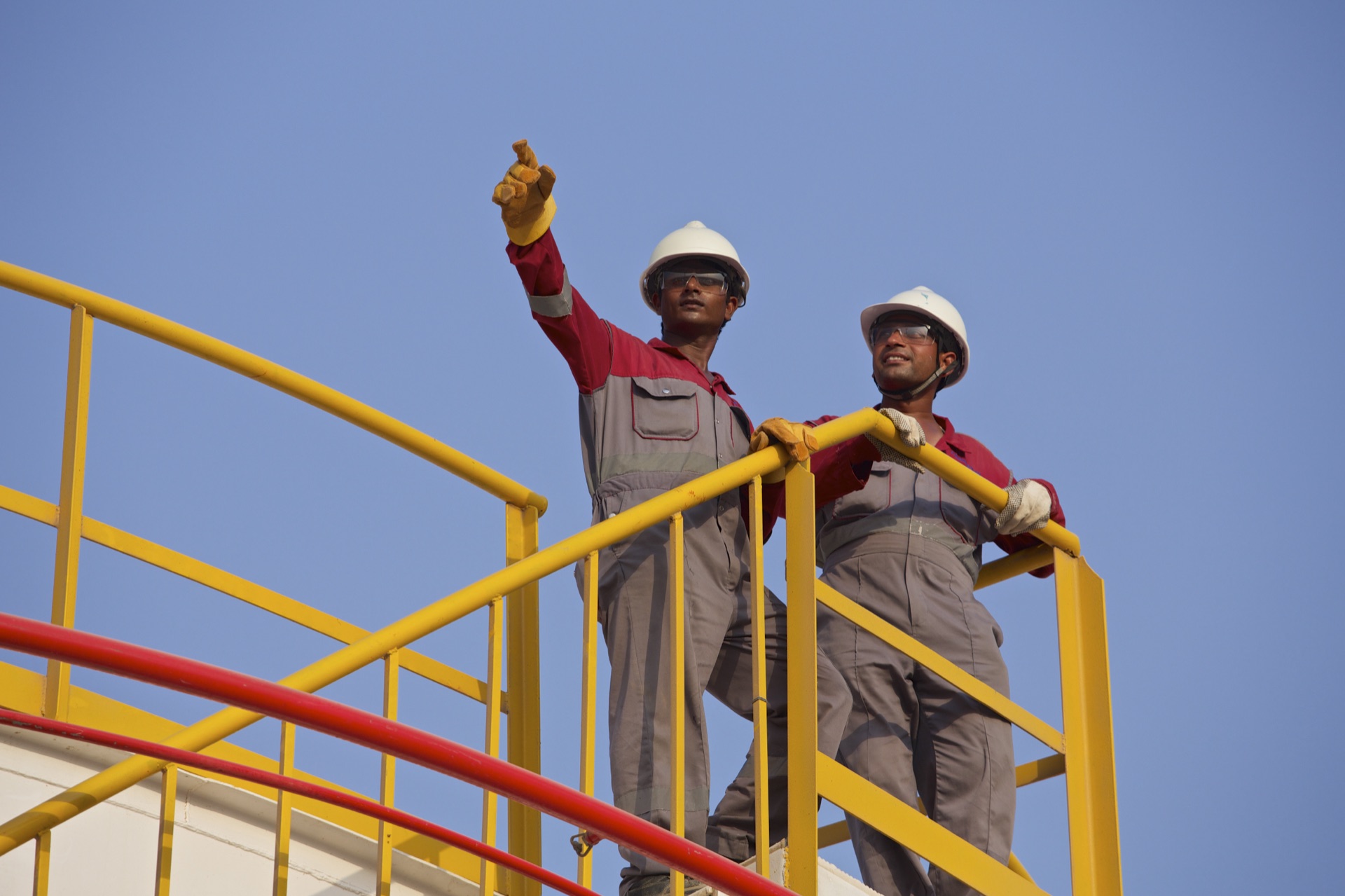
Safety & Performance Culture
Chemie-Tech applies work planning, permit control, supervision and task communication across high-risk industrial activities.
Culture Pillars
Planning, supervision, communication and field intervention shape how safety requirements are applied in daily work.
Planning
Tasks should begin only after scope, risks, permits, tools, access, and sequence have been properly reviewed.
Supervision
Supervisor presence, field judgment, and intervention quality shape both safety behaviour and work standards.
Communication
Clear communication before work and during shifting site conditions is essential to safe execution.
Accountability
Clear accountability supports both safe work and execution quality.

Chemie-Tech iCare
iCare is Chemie-Tech's safety programme. It gives the company's safety culture a clear internal identity centred on workforce participation, safety awareness, and shared responsibility.
The programme supports Chemie-Tech's wider approach to disciplined planning, communication, supervision, and practical engagement.
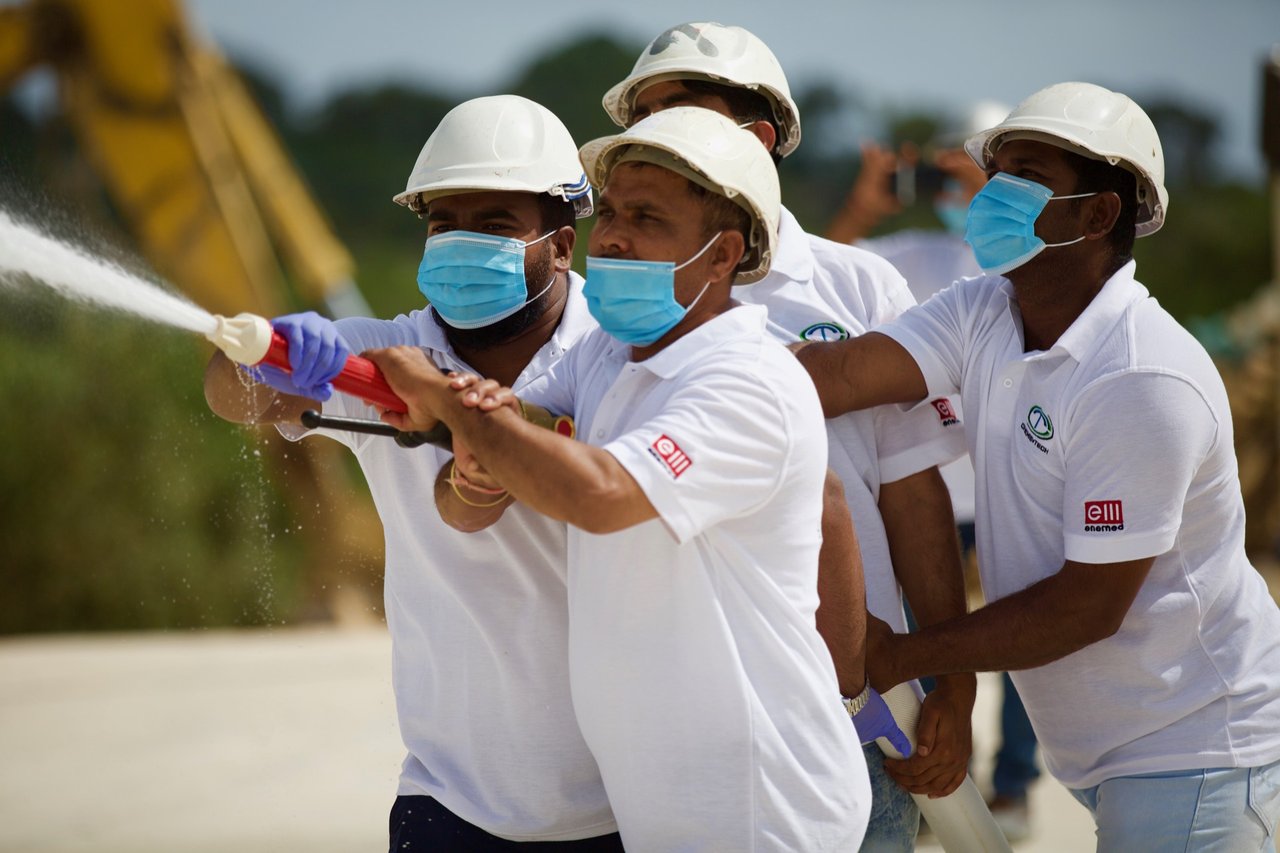
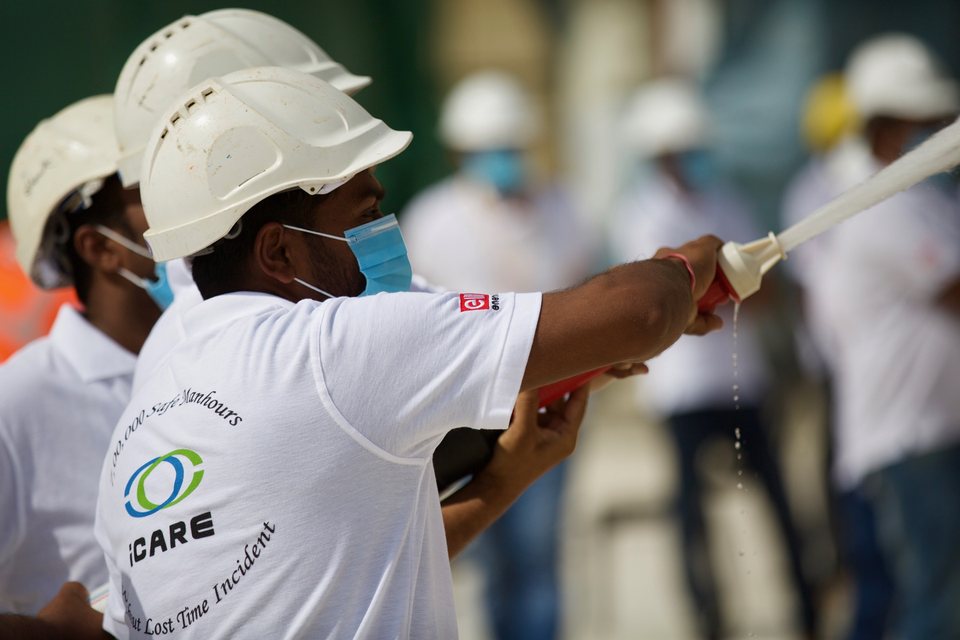
Frontline Controls
Permit systems are only effective when linked to real field verification, isolation control, supervision, and task understanding.
Pre-task review, toolbox talks, and changing-condition awareness help teams connect control measures to live work.
Hot work, lifting, work at height, confined space, energisation, and heavy mechanical work require stronger control intensity.
Unsafe conditions, weak work planning, and poor behavioural standards must be corrected quickly and visibly in the field.
Project Performance
Strong safety cultures do more than reduce incidents. They also improve execution quality, decision clarity, coordination, and work reliability across the project team.
Clear preparation reduces uncertainty before work begins and improves site readiness.
Teams work more reliably when communication, access, permits, and responsibilities are better aligned.
Stronger control reduces rework, avoidable stoppages, unsafe improvisation, and preventable site disruption.
Supervision quality influences both incident prevention and the overall standard of execution.
Safety Standards Underpinning
Safety culture operates inside a certified management system framework. These standards define the minimum structural requirements for HSE controls, documentation, and system discipline across Chemie-Tech projects.
Specific safety performance data, including TRIFR, LTIR, manhours and incident records, is available through the pre-qualification and client engagement process. Contact the team.
Discuss Safety Expectations
For permit-to-work, supervision, site-discipline, or field-performance expectations, connect directly with the Chemie-Tech team.